
Just like your heart, your cat’s heart is responsible for pumping blood to different parts of the body, helping organs and muscles function properly and stay healthy. It needs to be in good condition to do its job effectively! That’s why it is important for you to understand your cat’s heart health. Taking your cat to the veterinarian for regular checkups is the first step.
During your cat’s examination, the veterinarian will look for signs of heart disease. This can be a challenge as many cats that have heart disease may not show any signs or symptoms. In fact, cats can have heart disease for years before you notice something is wrong. So here’s what you need to know.
Risks and Symptoms
Cats are most commonly affected by a type of heart disease known as hypertrophic cardiomyopathy, in which the walls of the heart thicken and do not pump blood effectively.This can lead to heart failure. This type of heart disease can be found in cats of any age and because it is more common among some cat breeds than others, there may be a genetic predisposition. Breeds most commonly affected include:
Keep in mind that it’s easy to confuse the signs of heart disease with the signs of aging. That’s why it’s important to keep an eye on your cat and call your veterinarian if you notice that your cat: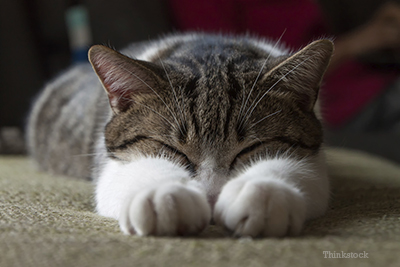
- Is tired or lethargic and doesn’t want to exercise or play
- Has difficulty breathing or breathes with its mouth open
- Collapses or faints
Sometimes, however, your veterinarian is the only one who can spot the more subtle signs of heart disease, such as murmurs, audible sounds between heartbeats, or irregular rhythms.
Diagnosis
If your veterinarian suspects that your cat has heart disease, he or she will perform a complete physical exam and pay close attention to the heart to find clues as to whether your pet has any heart-related problems. Heart disease doesn’t always cause murmurs, so some additional tests may be performed:
- X-rays to check for abnormalities in the heart or lungs
- NTproBNP Test, a blood test similar to those used to detect heart disease in humans
- A blood pressure test
- An electrocardiograph (ECG) to evaluate the electrical activity of the heart
- An echocardiogram (ultrasound) to measure heart structure and function
Treatment
If your cat is diagnosed with heart disease, there are several possible treatment plans, including a combination of plans:
- Dietary changes, such as a low-sodium diet or nutritional supplements
- Diuretics, which help clear excess fluids built up due to poor circulation
- Medications to relax blood vessels, aid blood flow and help the heart function more efficiently
Treatment for heart disease will vary based on the needs of each individual cat. With the right treatment and early detection, your cat can live a healthy, happy life for years to come. Your veterinarian will develop a plan that is right for you and your pet.
What Can I Do to Keep My Cat healthy?
While people can develop heart disease because of poor diet and lack of exercise, it is not the same for our pets. Fortunately, you can catch it early and ensure your cat continues to live a healthy, happy life. Here are some tips:
- Take note of changes in your cat as he/she ages.
- Watch for changes in your cat’s appetite and energy level.
- Keep your cat at a normal healthy body weight.
- Know your pet’s breed or mix of breeds and understand his/her risk of heart disease.
- Take your cat in for yearly checkups! This is one of the most important ways you can care for your cat—heart disease is just one of many conditions that, if caught early, can be managed effectively.
If you’re worried your cat may be developing heart disease, your best bet is to have a conversation with your veterinarian. He or she is the best resource when it comes to your pet’s health.
If you have any questions or concerns, you should always visit or call your veterinarian -- they are your best resource to ensure the health and well-being of your pet